The Chapada Diamantina can be visited all year round, and that is precisely the source of the confusion: since there is no bad time, there is no single answer either. Each season delivers a different Chapada, and the right choice depends on what you want to see and how you prefer to walk.
The dry season: April to October
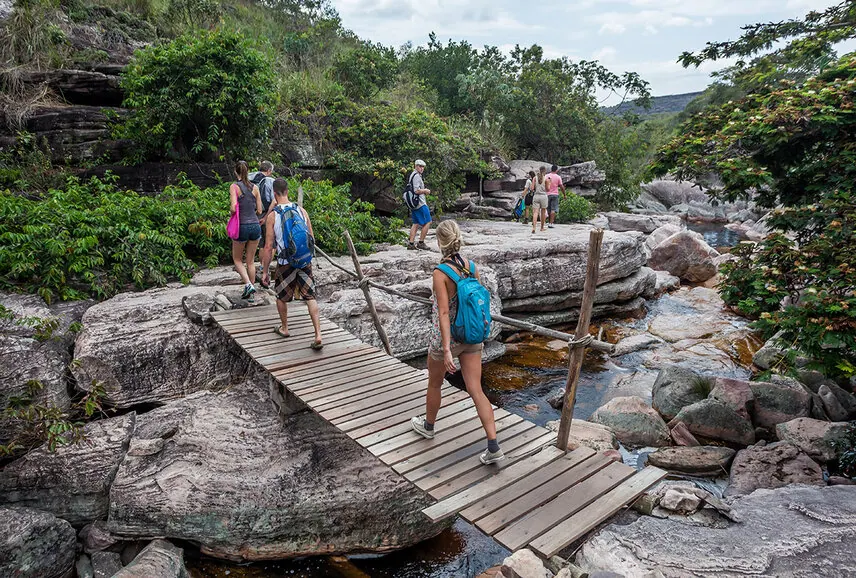
This is the most sought-after period, and for good reasons. The days are sunny, the humidity is low and the trails are firm — which changes the experience considerably on long routes, where mud and wet rock tire you out and increase the risk of slipping.
River crossings are calmer and more predictable, and the viewpoints offer excellent visibility. On Morro do Pai Inácio, a clear sky in the late afternoon delivers the sunset you see in the photos.
It is the best time for heavy trekking: Cachoeira da Fumaça, the Vale do Pati crossing and multi-day trails call for exactly these conditions. For the Vale do Pati specifically, the recommended window runs from May to November.
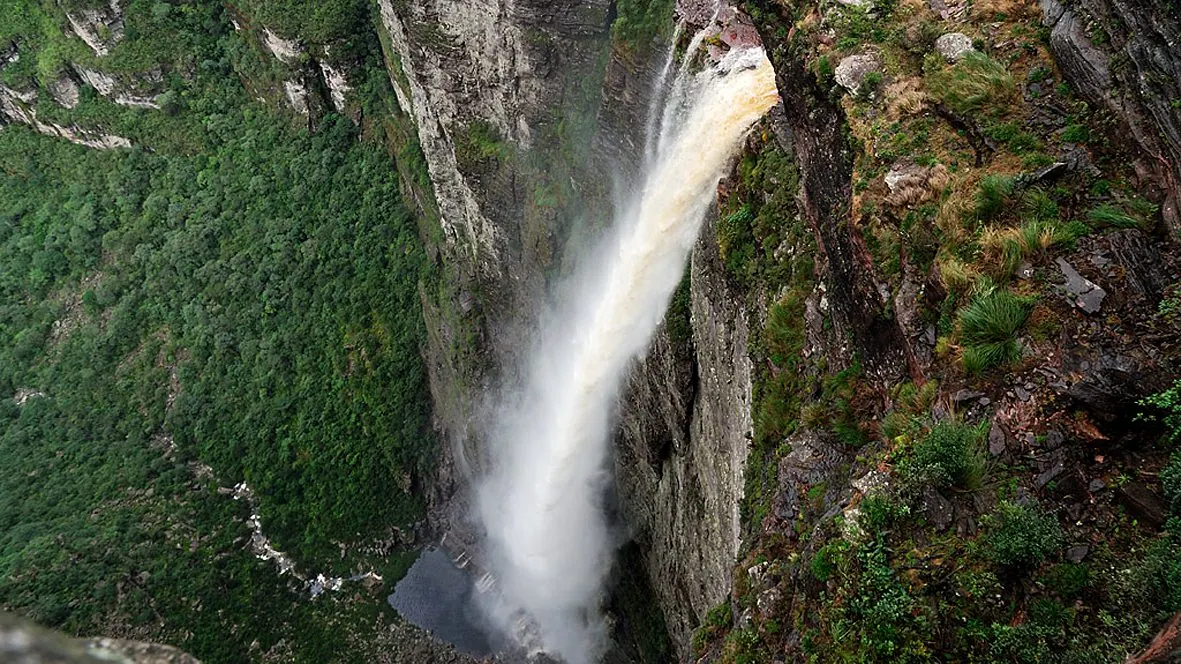
The trade-off: some waterfalls lose volume. Fumaça, in the driest months, can turn into a fine mist that rises with the wind — beautiful, and still worth the walk for the view of the canyon, but less imposing than the photo you saw.
The rainy season: November to March
The rains are usually quick and concentrated in the late afternoon, not whole days of downpour. That surprises anyone imagining a trip made impossible by water.
In return, the landscape becomes lush: full waterfalls, green cerrado, rivers with volume and far fewer people on the trails. It is the best time to photograph Cachoeira da Fumaça in all its force, and for anyone who wants to enjoy pools and natural swimming holes with plenty of water.
The trade-off: more slippery trails, the possibility of a tour being rescheduled for safety and rivers that can rise fast. It is the season when going with a local guide stops being about comfort and becomes a necessity — someone who knows the river can read when it is safe to swim.
And the caves? The matter of timing
Caves such as Lapa Doce, Pratinha and Gruta Azul work all year round, because they do not depend on rain. But they depend on something else that almost nobody considers when planning: the angle of the sun.
The intense blue-light effect at Pratinha and Gruta Azul happens when the sun is high, roughly between mid-morning and early afternoon, and it is most striking between April and September. Visiting these caves at the end of the day means seeing the same water without the colour that prompted the visit.
That is why a well-built itinerary does not just choose the day: it chooses the hour of each stop.
Month by month, in brief
December to March: intense green, full waterfalls, late-afternoon rain, high demand in December/January and at Carnival.
April to June: perhaps the best overall window — the rain eases, but the falls still have good volume, and the season is not yet packed.
July: clear skies and firm trails, but it is the busiest month of the year because of the school holidays.
August to October: dry and stable, ideal for long trekking; some waterfalls at minimum volume.
Temperature and what it changes in your backpack
The weather is hot during the day for practically the whole year, with mild nights and, in winter, cold dawns at high points. In practice, that means light clothing for the tours and a top for the end of the day — especially at the top of Pai Inácio, where the wind picks up and the temperature drops fast after sunset.
In the rainy season, a light rain jacket and a plastic bag to protect your phone and camera solve almost every problem.
The number of people: the forgotten factor
Long weekends, July, the year-end and Carnival concentrate most of the visitors. If your priority is to have the viewpoint almost to yourself and to book with plenty of room, avoiding those windows is worth more than chasing the perfect weather.
So which to choose?
If you want comfortable trails, clear skies and plan to take on long routes: between May and September.
If you prefer full waterfalls, green landscapes and fewer people: between December and March.
If you want the best balance of the two: April, May or June.
In any season, a local guide makes the difference the calendar cannot — because it is the guide who adjusts the itinerary to the real conditions of the day, rather than to the historical average.
Chapada Mar arranges all of this for you: transport on every tour, an accredited local guide, park tickets and fees. Tell us how many days you have and how many people are travelling, and we will build the itinerary and send you a fixed quote — with 10% off for upfront payment by PIX, cash or single-instalment card.