The Chapada Diamantina occupies the centre of Bahia and concentrates, in a single region, more than three hundred catalogued waterfalls, limestone caves hundreds of metres long, canyons, valleys and viewpoints that are among the most beautiful in Brazil. It is the kind of destination where you can spend weeks without repeating a tour — and it is precisely for that reason that most people arrive lost when it comes to putting together an itinerary.
This guide organises the attractions by type of experience, indicates how much of your day each one takes and points out the combinations that make geographical sense. Because the most common mistake made by people planning alone is not choosing a bad tour: it is choosing two good ones that lie in opposite directions.
The viewpoints: where the Chapada shows itself whole
Morro do Pai Inácio is the region's postcard image and probably the picture that brought you here. At around 1,120 metres, the climb takes about 20 minutes on a short trail with stone steps, accessible to practically all ages.
Up top the terrain is flat and the view is 360 degrees over the Vale do Capão and the neighbouring formations — Morro do Camelo, Morro Torre and the Três Irmãos. In the late afternoon, when the low light illuminates the rock walls from the side, it is by far the most photographed place in the Chapada. It is worth arriving 40 minutes early to choose your spot and follow the change in the light.
Anyone who prefers to avoid the crowds can go up early in the morning: the light is also excellent and the lookout is far emptier.
The waterfalls: from the most famous to the most accessible
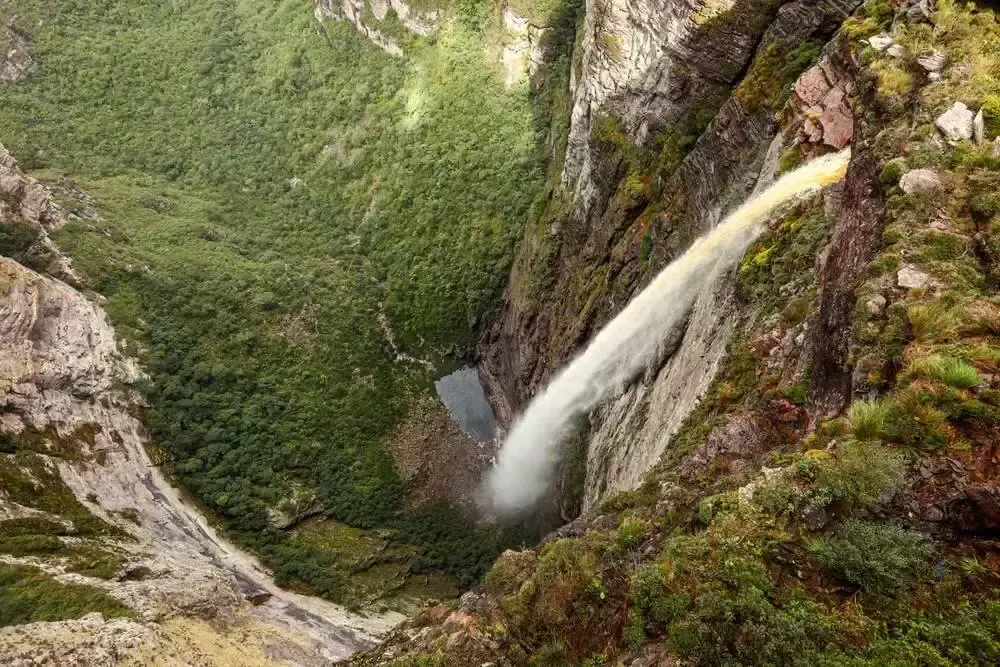
Cachoeira da Fumaça is the best known in Brazil for a specific reason: the drop is so high that the water rarely reaches the ground in one piece. The wind dissolves the sheet of water halfway down, forming a mist that rises — hence the name (fumaça means smoke). The most common approach starts from the Vale do Capão, with around 6 km of climbing to the upper viewpoint, about two hours on the way up.
It is important to understand that this is the viewpoint above, not the base. Reaching the foot of the waterfall requires a multi-day crossing, a completely different tour.
At the other end of the scale is the Muritiba Municipal Park, which begins practically at the edge of Lençóis and takes in several smaller falls, natural pools and the Coloured Sands Hall. It is a half day of easy walking — the ideal tour for the first day, when the body is still adjusting to the heat.
Between the two, there are dozens of others: Cachoeira da Primavera, Poço Halley, Cachoeirinha, Riachinho. Most come into the itineraries as a stop within a larger day, not as a standalone destination.
The caves and the pools of blue water
The municipality of Iraquara is known as the town of caves, and it is there that the region's most surprising itinerary heads. Gruta da Lapa Doce impresses by its sheer size: the walk runs for hundreds of metres through a hall that, in several stretches, is as high as a building, among stalactites, stalagmites and columns formed over thousands of years.
Next come Pratinha and Gruta Azul, known for the turquoise blue of the water. And here is the detail that separates a memorable visit from a disappointment: the effect depends on the angle of the sun. The colour peaks when the sun is high, generally between mid-morning and early afternoon. Arriving at the end of the day means seeing the same cave with ordinary water.
At Pratinha you can float with a mask and snorkel along the river that flows out of the cave. At Gruta Azul swimming is not permitted — the visit is contemplative, from a platform, precisely to preserve the transparency of the water.
The rivers and the wetlands
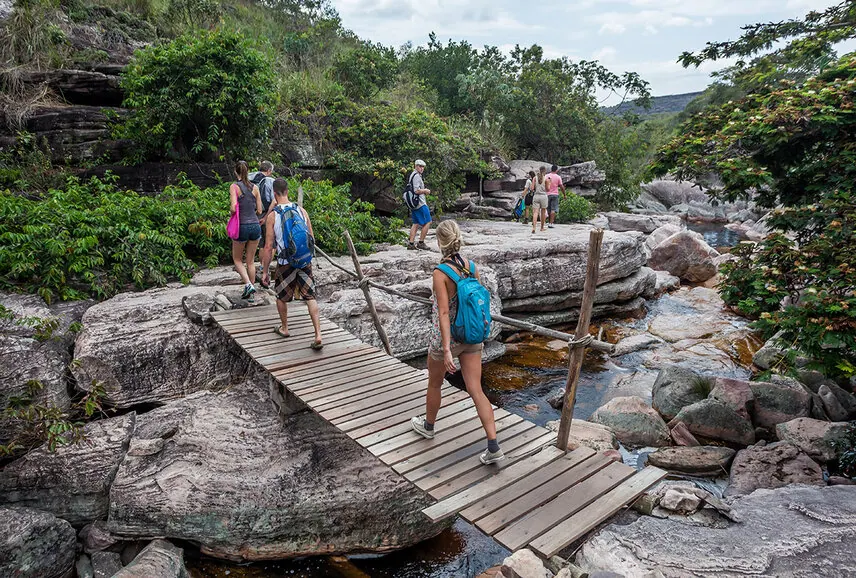
The Rio Roncador runs over bare rock, forming a sequence of pools of transparent water, rapids and stretches of smooth stone that work as natural slides. There are shallow pools, good for those with children, and deep pools for swimming properly. It is the tour for anyone who has already walked a good deal and wants a day devoted to the water.
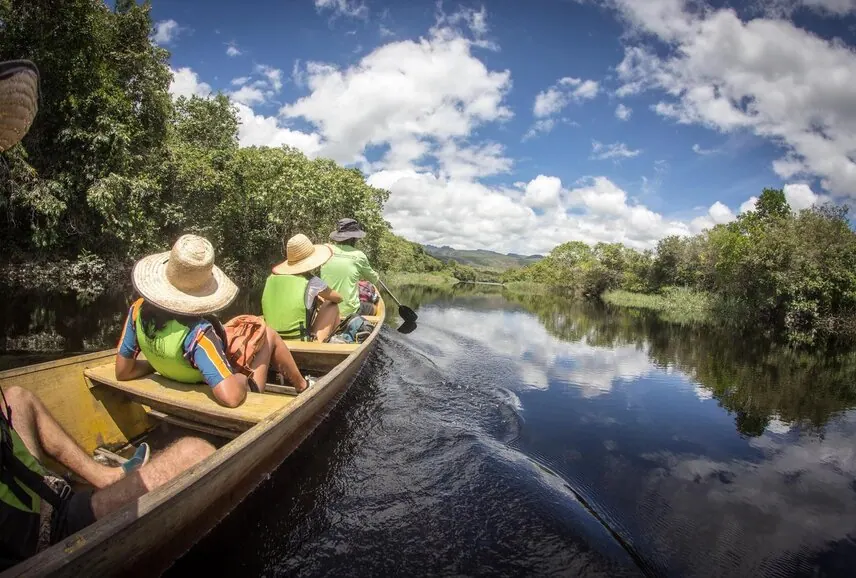
Marimbus, on the other hand, is the exception in a region made of mountains: an extensive wetland crossed by canoe, likened to a small Pantanal for its quantity of birds and aquatic plants. As the guide does the paddling and there is no physical effort, it tends to be the favourite tour of families with children and older travellers.
For those who like adventure
The same terrain that makes for good walking also makes for sport. There are mountain bike trails leaving Lençóis that cross valleys and stretches of forest, canoeing on the region's rivers and abseiling in the Gruta do Lapão, with full equipment and no need for prior experience — the technique is taught on site.
How much time to set aside for each attraction
Half day: Parque da Muritiba, Marimbus.
Full day: the caves itinerary with Pai Inácio at the end, Cachoeira da Fumaça, Rio Roncador.
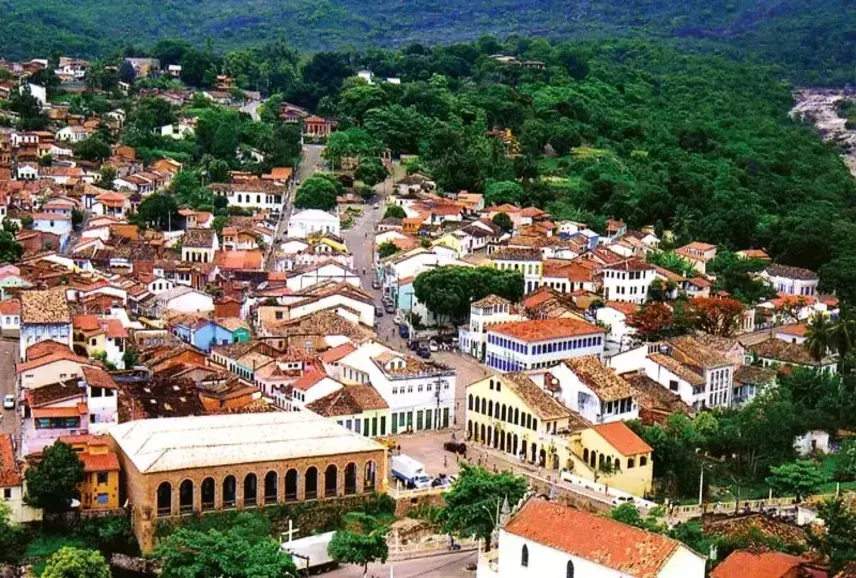
With 3 days you cover the essentials — Muritiba, the caves with Pai Inácio and Fumaça. With 5 to 6 days, Marimbus, Roncador and a rest day come in, which looks like a waste on paper and makes an enormous difference in practice. With a week or more, long trails and the region's historic villages fit in.
The mistake that costs the most in planning
The attractions are far apart and several require dirt roads. The caves itinerary, for example, adds up to around 140 km there and back from Lençóis. Building an itinerary that zigzags between opposite directions means spending the day inside the car rather than inside the landscape.
That is why the ready-made itineraries tend to follow a geographical logic: caves and Pai Inácio on the same day because they lie on the same axis; Marimbus and Roncador together for the same reason.
Safety: where the guide stops being a comfort
Many trails are unmarked and conditions change fast with the rain. A river that was calm in the morning can rise within an hour. Someone who knows the terrain can read those signs — and it is exactly in those situations that the presence of an accredited guide stops being a convenience and becomes a matter of safety.
Best time to go
From April to October the trails are firm and the skies clearer, but some waterfalls lose volume. From November to March the rains — usually quick and concentrated in the late afternoon — leave the falls full and the landscape green. There is no bad time: there are only misaligned expectations.
Chapada Mar arranges all of this for you: transport on every tour, an accredited local guide, park tickets and fees. Tell us how many days you have and how many people are travelling, and we will build the itinerary and send you a fixed quote — with 10% off for upfront payment by PIX, cash or single-instalment card.