A light backpack is half the battle. In the Chapada Diamantina, most tours are day trips, so the secret is not to bring a lot: it is to bring the right things and distribute the weight well. This list comes from experience — from what really makes a difference and what only takes up space.
The essentials
Water — at least 2 litres per person on full-day trails. It is the most important item on the list, and the most underestimated. Dehydration is the most common health problem on the region's tours, and it almost always starts with someone thinking they did not need that much water.
Sunscreen. The sun of the Bahian backlands is strong even on cloudy days, and reapplying after a swim in a waterfall is essential.
A cap or hat and sunglasses. Much of the trails cross open rock, with no shade at all.
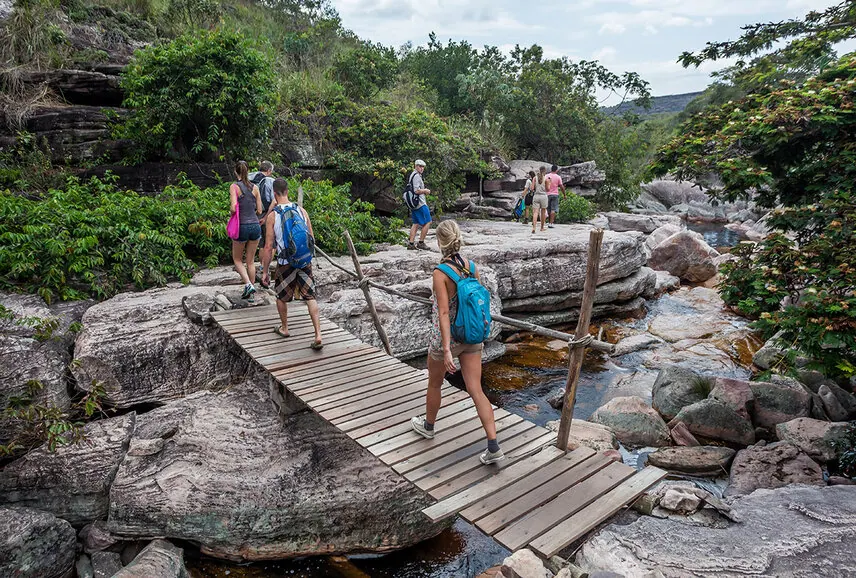
Footwear with good grip. It makes an enormous difference: many stretches cross wet rock, where most falls happen. Trail shoes or light boots do the job; flip-flops are a poor choice.
For the swims
Practically every itinerary has a stop for a swim, so it is worth going prepared.
Swimwear under your trail clothes. It saves you looking for somewhere to change at a place with no facilities.
A thin quick-drying towel. It takes up little space, dries on the way and does not sit heavy in your backpack the way an ordinary wet towel does.
A dry change of clothes, if the return journey is long. Spending hours in wet clothes in an air-conditioned car is uncomfortable and knocks your immunity.
Protection for your gear
A plastic bag or rain cover for the backpack. It saves cameras and phones in sudden downpours and river crossings. It costs almost nothing and is the item people most regret not bringing.
A dry bag for your phone on the river trails. It works for documents and cash too.
If you carry a camera, consider a padded pouch inside the backpack: the trails have stretches where you rest a hand on the rock, and a backpack bangs against stone.
Snacks and energy
Many tours include lunch, but not all, and even when they do there are long gaps between meals.
Nuts, cereal bars and dried fruit do the job well: little weight, plenty of energy and they do not spoil in the heat. Avoid chocolate, which melts and smears the whole backpack.
What to leave at home
Heavy clothes, a hairdryer, too many pairs of shoes and an oversized backpack.
The weather is hot during the day and only mild at night — a light top is usually enough, and you only miss it at the top of Pai Inácio at sunset or on winter dawns.
Nor is it worth taking a backpack of more than 25 litres for day tours: you will end up filling it with unnecessary things and carrying weight for nothing.
Items almost nobody remembers — and misses
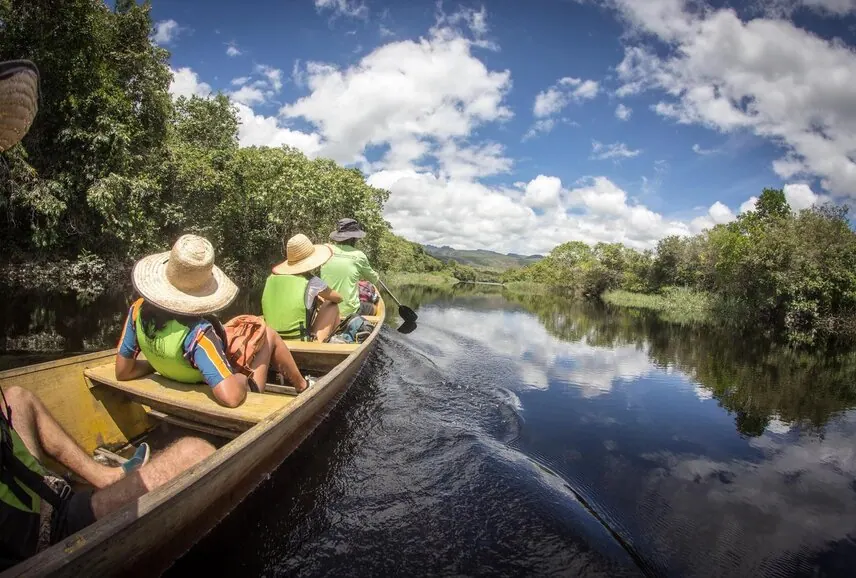
Insect repellent, especially in the flooded areas such as Marimbus.
A torch or a charged phone if the tour ends at sunset: it gets dark fast and the descent from Pai Inácio in the dark is uncomfortable.
Cash, because several attractions and small businesses outside Lençóis do not accept cards.
Trekking poles, for anyone with sensitive knees. On the long descents, they make a real difference.
A note on sunscreen
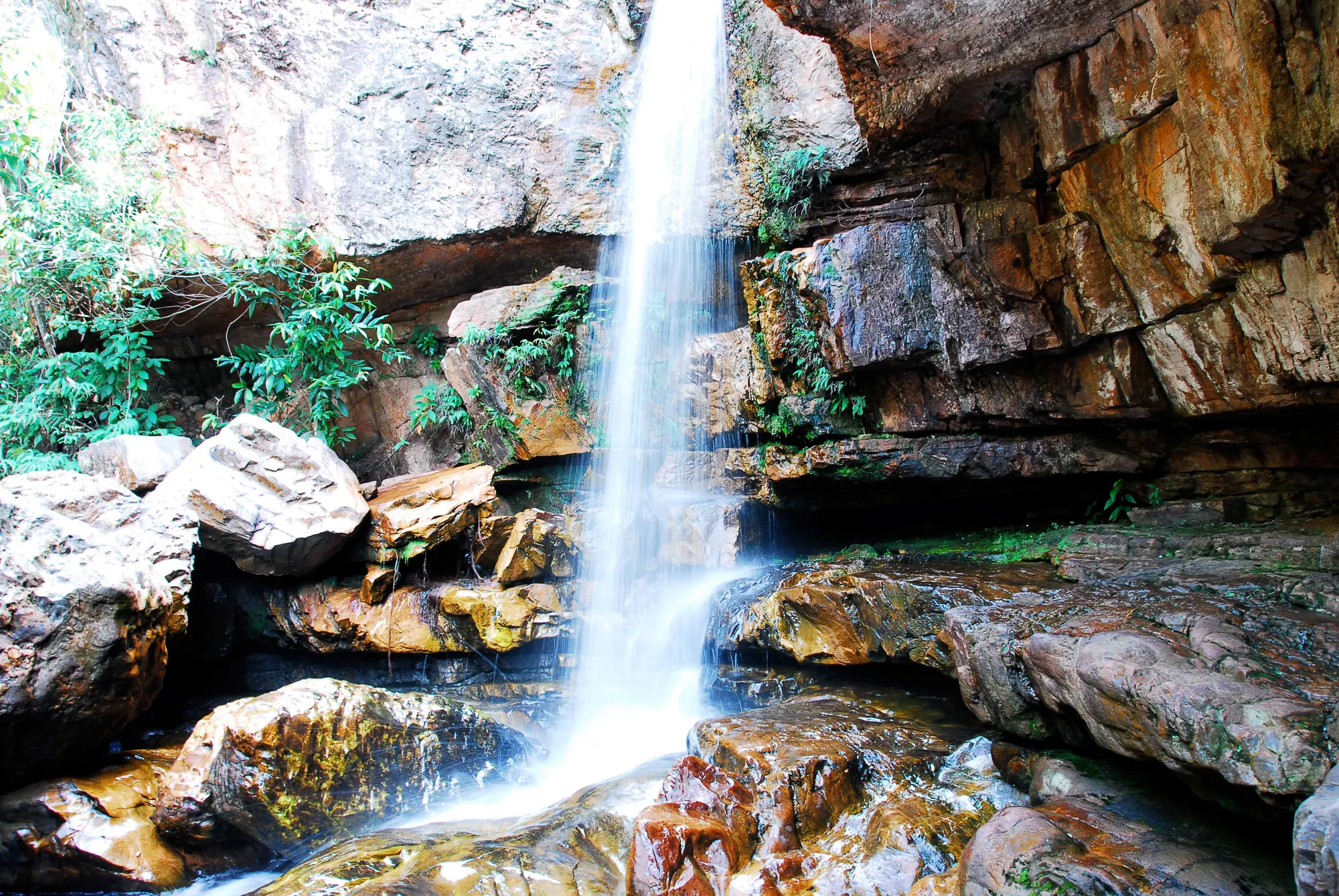
At attractions with crystal-clear water and small volume, such as Pratinha and Gruta Azul, ordinary sunscreen contaminates the water quickly and several sites restrict its use. A biodegradable sunscreen solves that — and at some spots you simply will not be allowed in with any product at all.
Final tip
Before each tour, the guide tells you exactly what to bring that day, because the list changes: abseiling calls for gloves, biking calls for something else, a cave calls for clothes that can get dirty.
If in doubt, ask. It is far better to adjust your backpack at the guesthouse than to discover something is missing in the middle of the trail.
How to distribute the weight
Put the heaviest items (water, above all) close to your back and in the upper part of the backpack. That keeps the centre of gravity high and close to the body, which is far less tiring on the climbs.
Adjust the straps so the backpack sits snug against your torso: a swaying backpack multiplies the effort and chafes the shoulders.
Clothing: what works in the Chapada heat
Light, quick-drying fabric beats cotton hands down. Cotton absorbs sweat, takes hours to dry and chills the body at night.
A thin long sleeve protects from the sun better than reapplying cream to your arm every two hours — and it is what the local guides wear.
Quick checklist before setting out
Water topped up · sunscreen applied · snack · phone cover · footwear with grip · swimwear underneath · towel · insect repellent · cash.
If all of those are in the backpack, any tour in the region is covered.
Chapada Mar arranges all of this for you: transport on every tour, an accredited local guide, park tickets and fees. Tell us how many days you have and how many people are travelling, and we will build the itinerary and send you a fixed quote — with 10% off for upfront payment by PIX, cash or single-instalment card.