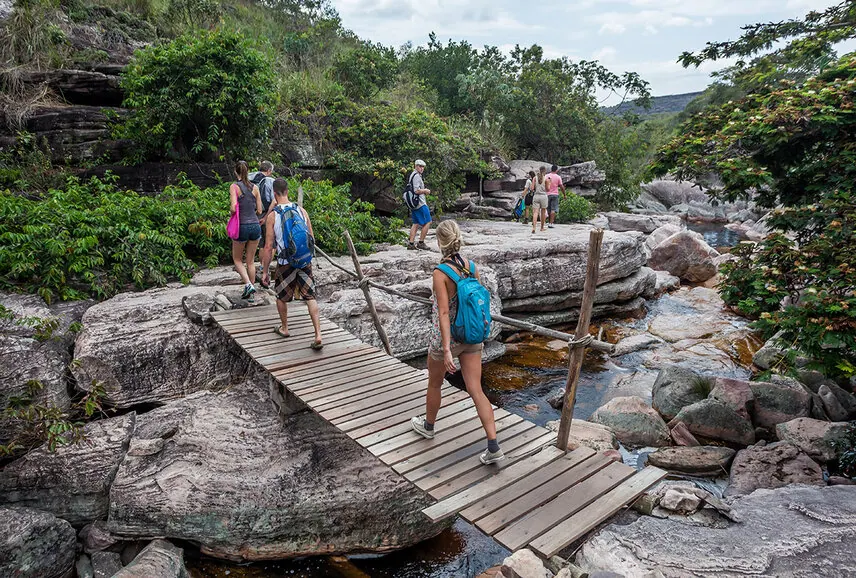
The Chapada Diamantina is known for its trails and waterfalls, but the same terrain that makes for good walking also makes for adventure sport. If you already know the classics, or simply prefer a more intense pace, you can swap part of the trekking for a bike, a canoe and a rope.
Mountain biking: the tour that changes the scale
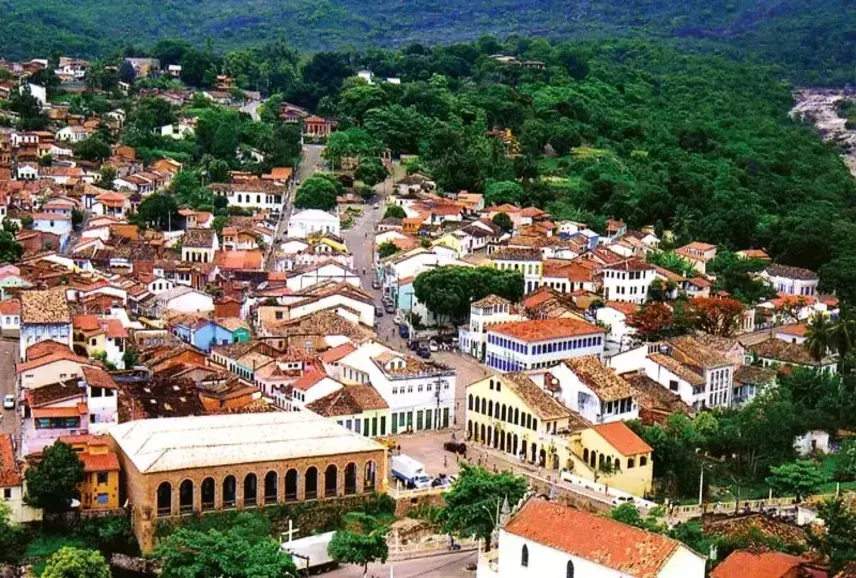
The trails set out from Lençóis and cross valleys, hills and stretches of forest, alternating between dirt road and singletrack. The classic route heads towards the Marimbus wetlands and the Rio Roncador, adding up to dozens of kilometres over the course of the day.
There are demanding climbs right at the start — usually a stretch of several kilometres of continuous ascent — followed by long sandy sections that tire you more than they look, because the wheel sinks in and you have to keep a steady cadence.
The reward is reaching places the car tours never get to, and watching the landscape change gradually instead of jumping from car park to car park.
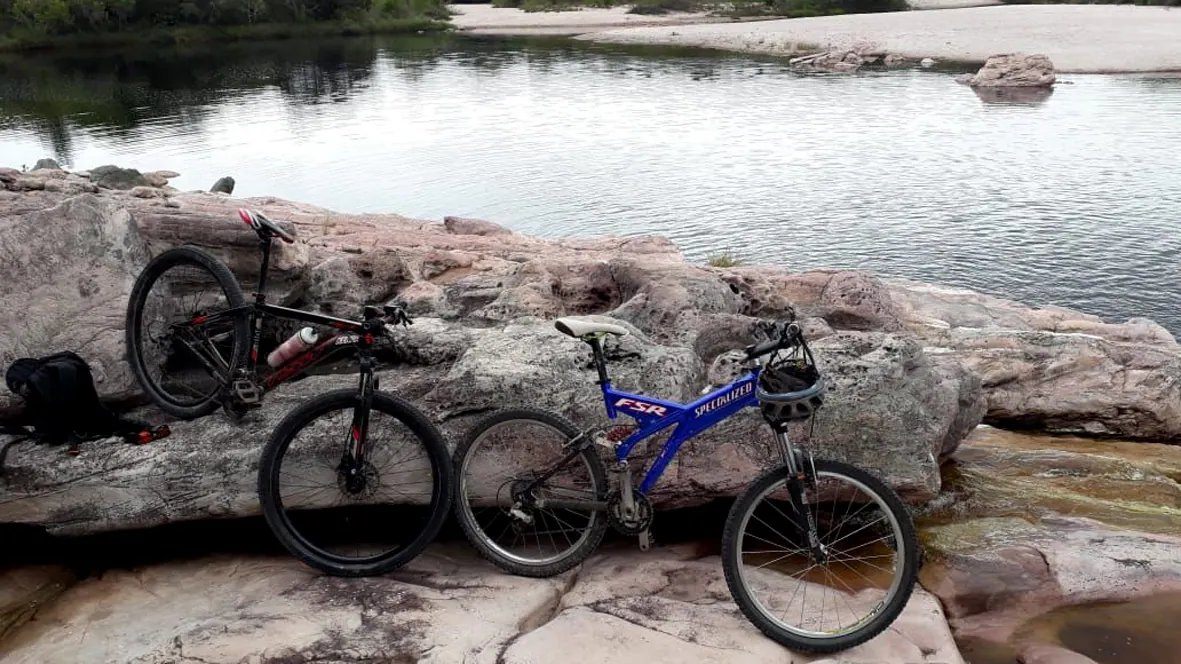
What is usually included: a bike with front suspension, a helmet, insurance and a specialist guide. A full-suspension bike, where available, is normally an extra.
Canoeing: the day's counterpoint
Paddling the region's rivers is more contemplative than extreme, and it is normally combined with the crossing of the Marimbus.
It is the part of the day when the body rests and the eyes go to work: you stop pedalling, sit down and start watching birds, aquatic plants and the mountains in the background. For anyone who has spent hours on the bike, that contrast is what makes the itinerary feel balanced.
No technique is required: the guide does the steering, and life jackets are provided.
Abseiling in the Gruta do Lapão
This is the highlight for anyone who enjoys heights. Access involves around an hour of walking to the mouth of the cave, one of the largest quartzite caves on the continent.
The abseiling usually includes at least two descents per participant, with full equipment: helmet, gloves and harness. The return walk takes about 50 minutes.
No previous experience is needed. The technique is taught on site, the operation is run by a qualified guide and the system is rigged with redundancy. What it does ask of you is willingness — and the ability to trust the equipment over the first few metres, which are always the hardest psychologically.
What preparation is really needed
Reasonable fitness, more than technique. Anyone who cycles, runs or walks with some regularity will manage without difficulty.
The biggest limiting factor is usually not the effort but the heat: the Chapada sun is punishing, and dehydration is the most common problem on this kind of tour. Drinking water before you feel thirsty is the rule that best prevents a headache — literally.
If you have a knee or back injury, tell the agency in advance: the route can be adjusted or an activity swapped out.
What to bring
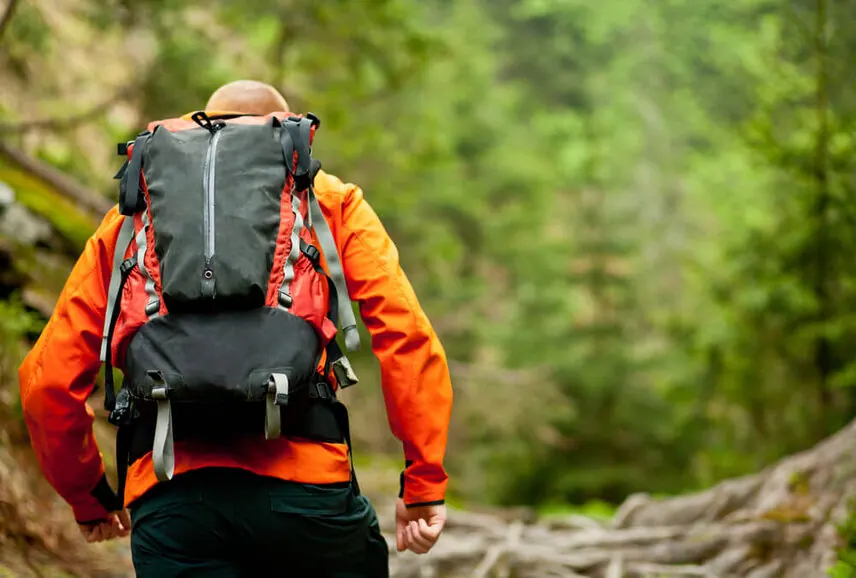
A backpack of at least 15 litres — it needs to fit water, a snack and a change of clothes.
Sunscreen, insect repellent, a water bottle (ideally 2 litres), a hat or cap, sunglasses.
Comfortable trainers or trekking sandals, light quick-drying clothing, swimwear underneath, a light rain jacket and a camera with splash protection.
Cycling gloves, if you have them: they make the long descents considerably more comfortable.
What is usually not included
Drinks at lunch tend to be excluded, as do equipment upgrades. It is worth confirming the full list in writing before you book — that is the detail that prevents surprises midway through the tour.
Who this itinerary is for
For travellers who already know the Chapada and want a completely different second trip. For groups of friends who would rather burn energy than contemplate. And for anyone short on time who wants to pack a lot of experience into two intense days.
It is not recommended for anyone seeking rest, nor for groups whose members move at very different paces — here the group travels at the speed of the slowest member, and that can frustrate both sides.
Safety in adventure activities
Every serious operator in the region works with insurance included and equipment that is regularly inspected. It is worth confirming that before you book: it is the item that exists precisely for the unlikely case, and cutting costs here is the worst possible place to save.
On the abseil, the system is rigged with redundant anchors and there is always a second guide at the bottom. On the bike, the group rides together, with one guide leading and another bringing up the rear.
How many days to set aside
The classic adventure itinerary takes two days: one of biking, canoeing and Marimbus, another of abseiling. You can do just one of the two, but the combination is what gives the package its shape — the second day is far gentler physically and works as active recovery.
If you have more time, you can slot in a day of classic hiking, such as Fumaça, to build a thoroughly complete week.
Best time for adventure
April to October, without question. Firm trails make a big difference on the bike, and abseiling depends on dry rock to be comfortable.
In the rainy season, activities may be rescheduled for safety — which is the correct behaviour from any serious operator, but awkward if your itinerary is tight.
Chapada Mar arranges all of this for you: transport on every tour, an accredited local guide, park tickets and fees. Tell us how many days you have and how many people are travelling, and we will build the itinerary and send you a fixed quote — with 10% off for upfront payment by PIX, cash or single-instalment card.