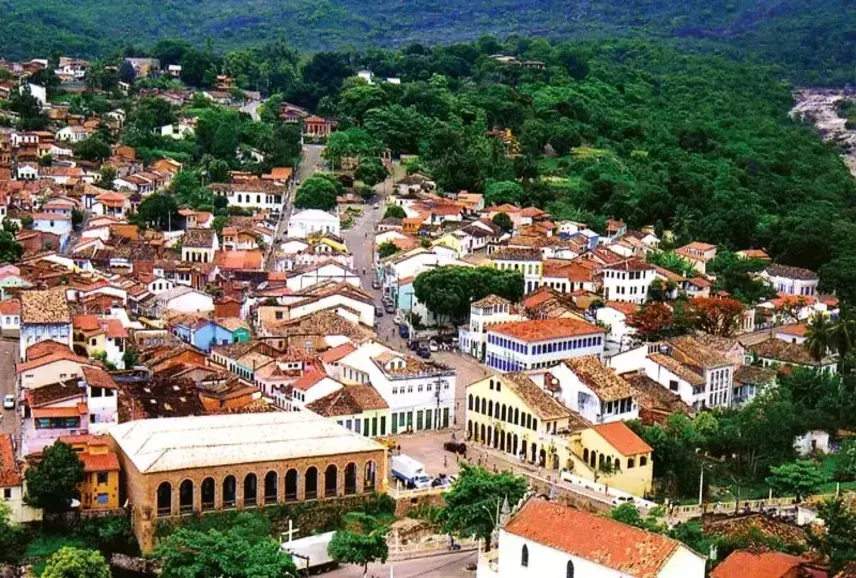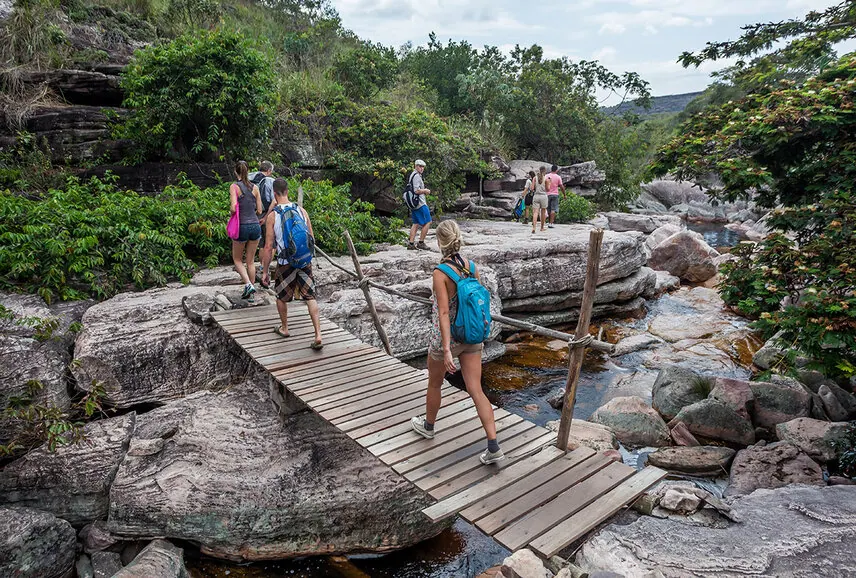
In the middle of a region known for mountains, canyons and waterfalls, Marimbus is the exception — and perhaps that is why it surprises so much. It is an extensive wetland, with channels of still water, aquatic plants and a quantity of birdlife that changes the expectations of anyone who came to the Chapada expecting only rock and trails. The nickname 'the Bahian Pantanal' is well earned.
What Marimbus is
It is a wetland formed by the meeting of several rivers that come down from the mountains and reach flat ground. The water spreads out and forms a mosaic of channels, islands of vegetation and shallow lagoons.
This area works as a natural sponge: it absorbs excess rain and releases water gradually over the dry season, regulating the rivers that supply much of the Chapada. It is one of the most important — and least visited — ecosystems in the region.
What the tour is like
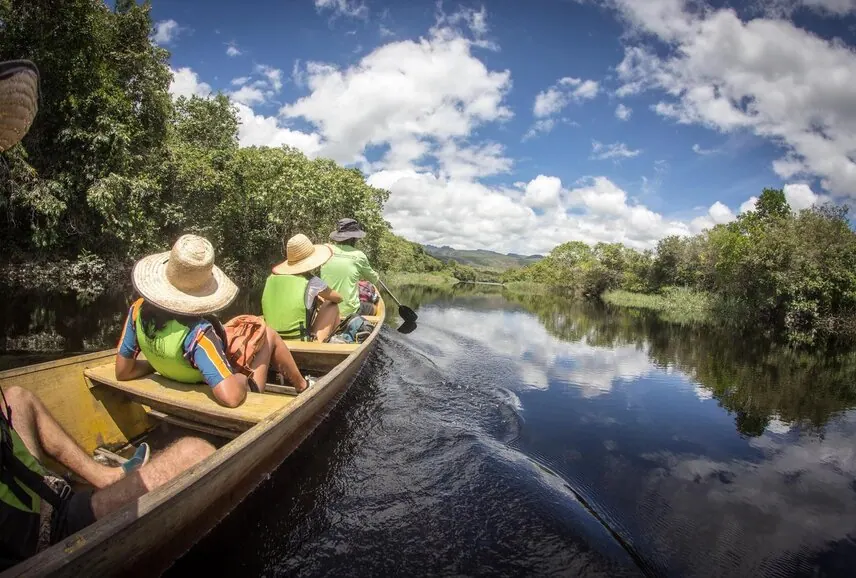
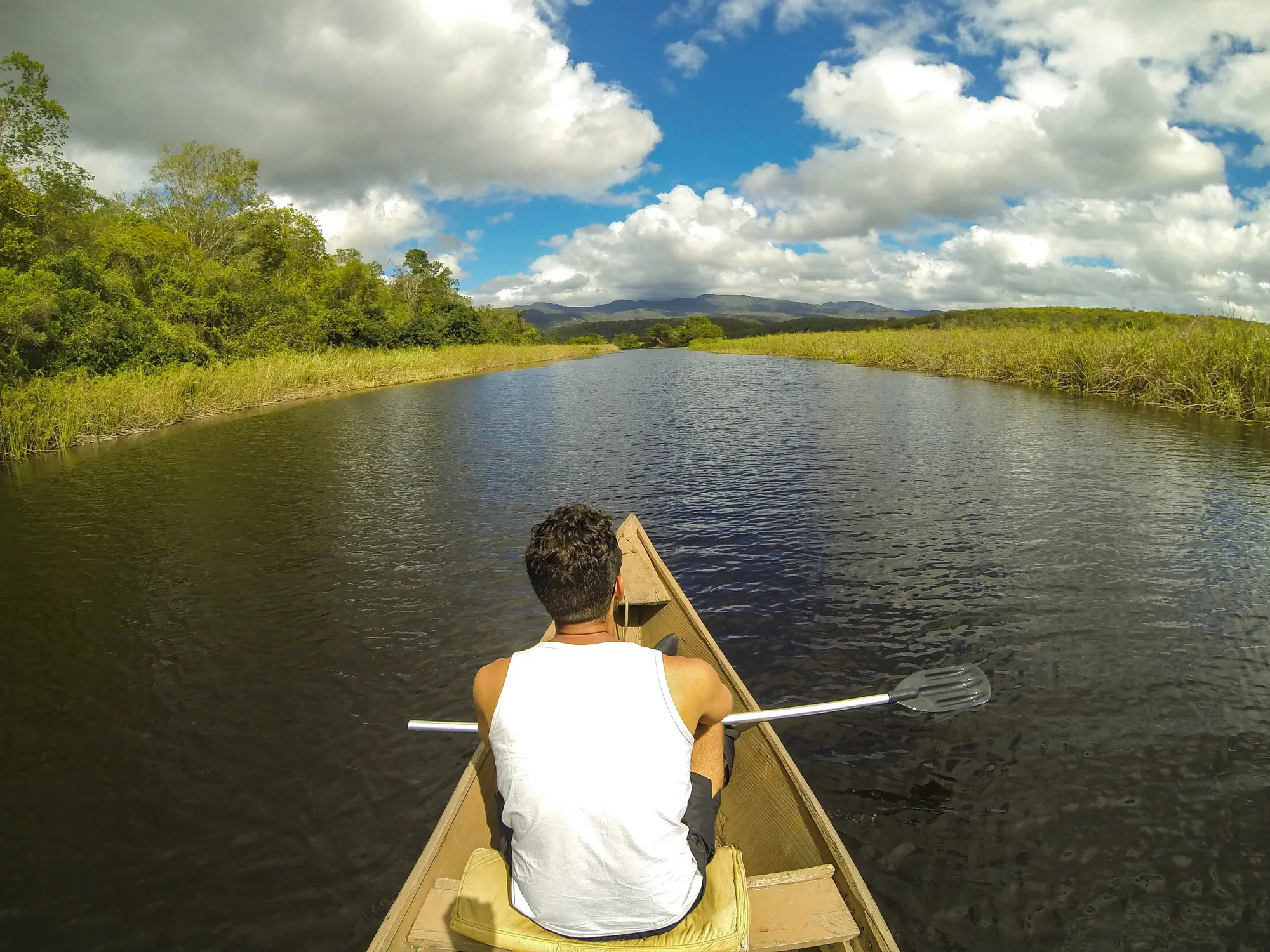
The crossing is done in a wooden canoe, paddled by a local guide, at a deliberately slow pace. And that slowness is the point of the tour, not a limitation.
With no motor, the silence is almost total. You can hear the sound of the birds, the movement of the water among the plants and the paddle entering. It is the only tour in the Chapada where silence is part of the experience — and it is what lets you get close to the animals without frightening them off.
The route passes through narrow channels covered with vegetation and opens out into wide areas where the mountains appear in the background, reflected in the still water. That is where the best photos come from.
What you see
White herons, tiger herons, teal, kingfishers and, with luck, small yellow-throated caimans resting on the bank.
The vegetation includes water hyacinths and water lilies, which at certain times cover whole stretches of the channel — the canoe literally opens a path between the leaves.
Anyone who enjoys birdwatching will find one of the best spots in the region here. A pair of binoculars completely transforms the tour.
Difficulty level
Very easy. It requires no physical effort at all — the guide does the paddling — and getting aboard is simple.
It is, for that reason, one of the few attractions in the Chapada that is genuinely accessible for anyone who does not want to, or cannot, walk much: older travellers, people in recovery, families with small children.
It is not unusual for this to be the favourite tour of someone who did the whole itinerary.
Best time of day
Early morning and late afternoon, no argument. That is when the birds are most active and when the light is good for photography — in the middle of the day the sun beats straight down, the water reflects white and there is little shade inside the canoe.
The first departure of the morning usually yields the greatest number of sightings.
What to bring
A hat or cap. There is no shade in the canoe.
Sunscreen. The water reflects and burns more than you expect.
Insect repellent. It is a wetland; mosquitoes are around, especially in the late afternoon.
Water and binoculars. The first is necessary, the second transforms the tour.
A cover or plastic bag for the camera, because it splashes.
When to go: dry or full
In the rainy season the level rises, the channels widen and the route reaches areas that stay dry the rest of the year. The vegetation becomes lush.
In the dry season, the level falls, some stretches become impassable and the route changes — but the concentration of birds around the remaining water tends to be greater. Neither one is better; they are different tours.
How to fit it into your itinerary
Marimbus is usually combined with the Rio Roncador, on the same day or on consecutive days, because they lie in the same direction from Lençóis, around Andaraí.
It also works very well as a counterpoint: after two or three days of trails and climbing, a contemplative half-day tour restores your breath without wasting the day.
Who it is for
For travellers who want to balance an intense itinerary with a day of contemplation. For nature photographers. For families. And for anyone who already knows the classic waterfalls and wants to see the side of the Chapada that almost nobody posts.
How long it lasts
The crossing usually takes two to three hours by canoe, counting the stops for observation. Adding the journey from Lençóis, the tour comfortably fills a half day.
It is not worth rushing: half the charm lies in stopping in the middle of the channel and staying silent, waiting for what appears.
Is it worth bringing children?
It is, and it usually works very well. The canoe is stable, the guide paddles, and the number of visible creatures holds their attention. Life jackets are provided.
The thing to watch is the sun: children burn quickly out on the water, so a hat and sunscreen are essential.
What not to expect
It is not an adrenaline tour and there are no rapids. Anyone looking for action will find it slow — and that is exactly why anyone looking for rest finds it perfect. Getting that expectation straight beforehand avoids disappointment.
Chapada Mar arranges all of this for you: transport on every tour, an accredited local guide, park tickets and fees. Tell us how many days you have and how many people are travelling, and we will build the itinerary and send you a fixed quote — with 10% off for upfront payment by PIX, cash or single-instalment card.